
Australia is one of the most bushfire-prone countries in the world. Each year, intense fires impact rural towns, the urban fringe, and entire communities — destroying property and putting lives at risk. As a result, strict planning and construction standards have been introduced across all states and territories.
At the centre of this regulatory framework is the Bushfire Attack Level (BAL) assessment. It’s a risk classification system used nationally to guide construction standards for buildings in bushfire-prone areas.
STA offers fast-turnaround BAL assessments up to BAL 29, available across Queensland — so builders and designers can meet council requirements without delay or disruption.
What Is a Bushfire Attack Level (BAL) Assessment?
A BAL assessment determines the level of bushfire risk to a building site based on the amount of radiant heat the structure may be exposed to in a bushfire — measured in kilowatts per square metre (kW/m²). This risk assessment then determines the minimum construction requirements under the Australian Standard AS 3959: Construction of Buildings in Bushfire-Prone Areas.
The process considers:
- Vegetation classification within 150 metres of the site
- Distance from vegetation to the building envelope
- Slope of the land (particularly downhill from vegetation)
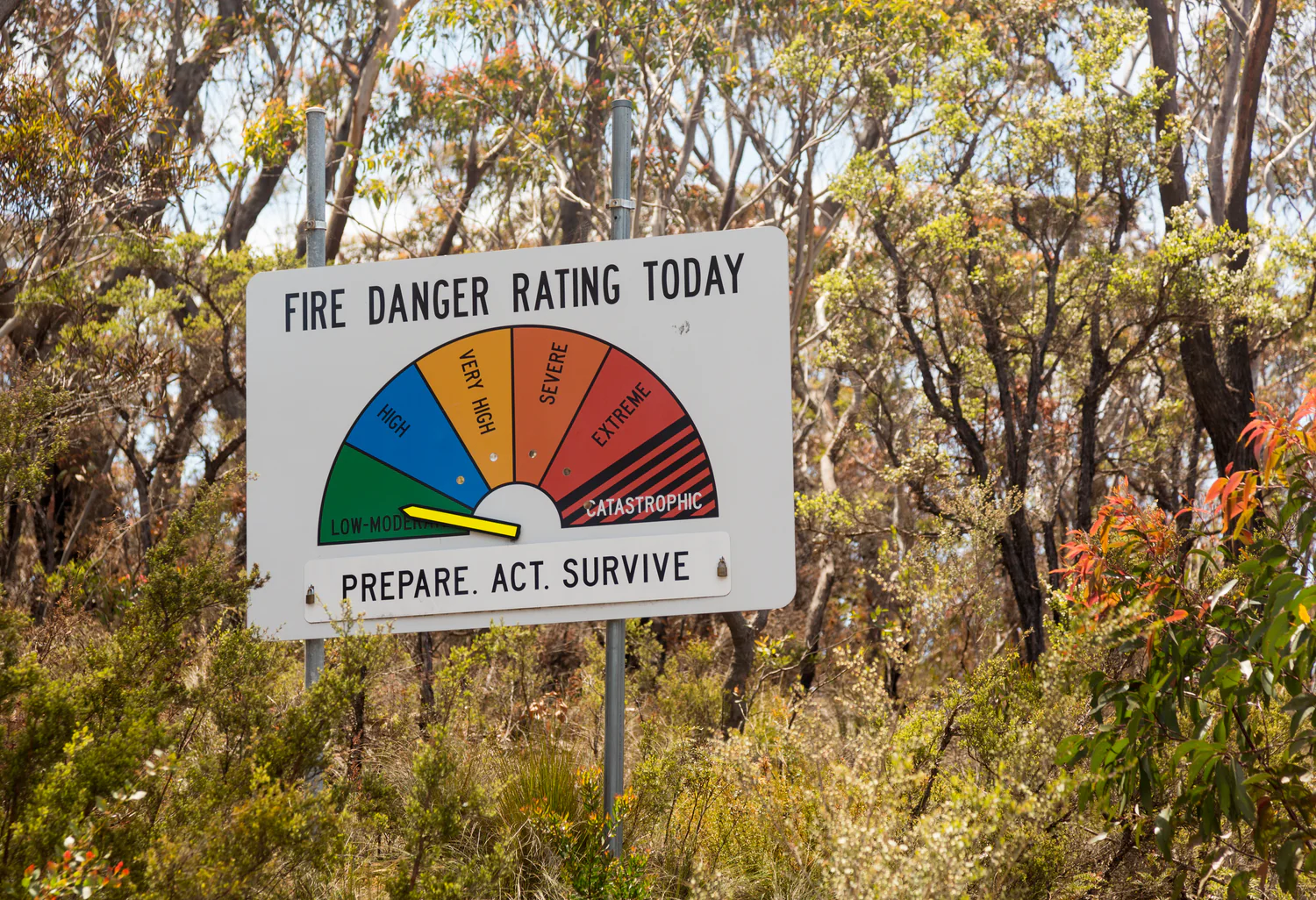
- Fire danger index for the local region
The outcome is a bushfire attack level BAL rating, which determines the construction methods, materials, and safety measures required to reduce bushfire risk. In most states (including Queensland), BAL assessments are mandatory for new buildings and increasingly required for major renovations and subdivisions.
The Six BAL Rating Categories
| Bushfire Attack Level | Risk Description | Construction Requirements |
| BAL–LOW | < 0.1 kW/m² – Negligible bushfire threat | No special construction requirements |
| BAL–12.5 | Up to 12.5 kW/m² – Low (ember attack) | Ember protection for openings (e.g. mesh screens, seals) |
| BAL–19 | Up to 19 kW/m² – Moderate (heat + embers) | Tougher glazing, roof sarking, non-combustible subfloor options |
| BAL–29 | Up to 29 kW/m² – High risk | Use of fire-resistant materials and bushfire shutters |
| BAL–40 | Up to 40 kW/m² – Very high risk (flame) | Non-combustible construction throughout, increased sealing |
| BAL–FZ | > 40 kW/m² – Flame Zone (direct exposure) | Highest-grade, fire-tested systems and materials required |
The higher the BAL, the more robust and fire-resistant the construction must be — and the more expensive the build becomes.
When Is a BAL Assessment Required?
You’ll likely need a BAL assessment if you’re:
- Building a new home in a bushfire-prone or overlay zone
- Extending or renovating near dense vegetation or bushland
- Subdividing land in rural or fringe urban areas
- Preparing development approvals where a planning scheme requires BAL documentation
Councils and certifiers are increasingly asking for BAL reports up front — not later in the process. Builders who don’t factor this in early often face approval delays or last-minute redesigns.
Construction Implications of a BAL Rating
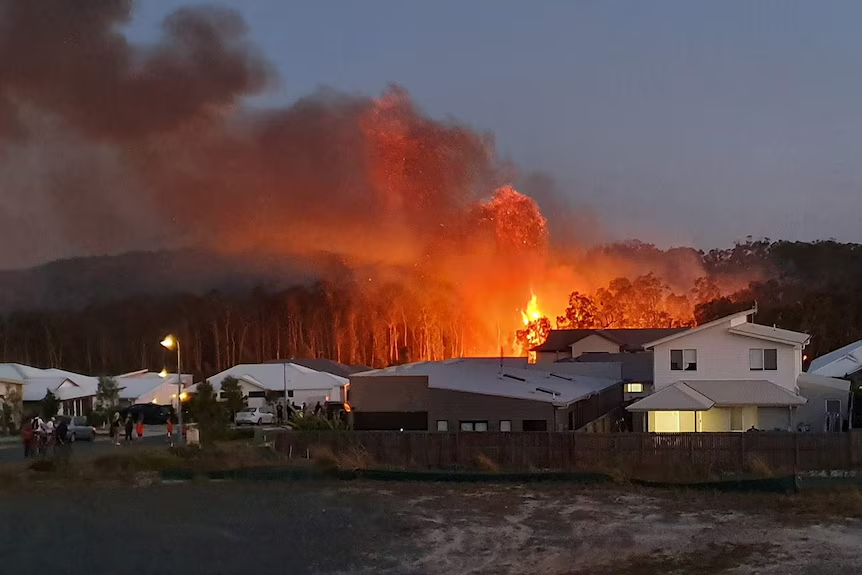
Once a BAL rating is assigned, the building must comply with AS 3959 construction standards for that level. These requirements may include:
- Non-combustible roofing and wall cladding
- Sarked and sealed roof spaces
- Ember guards on vents, weepholes, and subfloors
- Bushfire-rated shutters or metal mesh screens on windows and doors
- Sealed gaps and joints to prevent ember entry
- Subfloor enclosures using non-combustible materials
- Additional setback or defendable space (Asset Protection Zones)
For BAL–FZ, construction becomes more costly and complex — and in some cases, development may be denied unless fire risk can be mitigated or the building envelope is relocated.
STA’s BAL Assessment Service (Up to BAL 29)
STA provides desktop BAL assessments for sites across Queensland — offered as an optional add-on when booking your soil test or foundation design. We focus on BAL 12.5, BAL 19 and BAL 29 levels, where quick, accurate assessments can save time and avoid disruption.
What’s included:
- Site-specific vegetation, slope, and separation analysis
- BAL rating calculation using CSIRO-endorsed methodology
- Summary report suitable for submission to council or certifiers
- Referral to a trusted bushfire consultant if the site appears to exceed BAL 29
This service is built to integrate seamlessly into your normal project workflow — so you can stay compliant without jumping through extra hoops.
Why Builders Choose STA
Faster compliance
Avoid delays by getting your BAL assessment done up front — at the same time as your other site services.
Clear next steps
We’ll let you know if your site is above BAL 29, and refer you to a trusted fire consultant if required.
Trusted process
We use an established methodology that aligns with certifier expectations and Queensland’s planning rules.
How to Order
Ordering your BAL assessment is simple. Just select the BAL Assessment option when booking your soil test or foundation design through STA’s website or via direct booking. We’ll complete the assessment and deliver your report alongside the rest of your job documentation.
If you’re unsure whether your site needs one, our team can advise.
Ongoing Responsibilities for Property Owners
It’s important to remember that a BAL assessment reflects the site conditions at the time it’s conducted. As vegetation, land use, or neighbouring development changes, the site’s bushfire risk can also change.
Owners are responsible for:
- Maintaining cleared zones, grassed areas, and firebreaks
- Avoiding new landscaping or structures that increase fire risk
- Complying with any asset protection or maintenance conditions
- Monitoring changes to local fire regulations or overlays
In high-risk areas, annual inspections or reassessments may be recommended.
Don’t Let BAL Catch You Off Guard
Too often, builders only find out a BAL report is needed when it’s already causing a delay. STA’s service helps you stay one step ahead. Whether you’re working on a new build, a subdivision, or a significant extension — if you’re operating in Queensland, now is the time to factor BAL into your early-stage planning.
Get it done early. Get it done right. Get it done with STA.